
Insects: Guardians of the Biotope
Insects are often seen as small, fragile creatures, but in reality, they are the guardians of every biotope on Earth. A biotope — a stable, physical environment where living beings interact — cannot function without insects. They are the invisible workers that maintain balance, recycle nutrients, and ensure the continuity of plant and animal life.
Pollination: The Foundation of the Biotope
Most flowering plants, including fruit trees, vegetables, and wildflowers, depend on insects for pollination. Bees, butterflies, beetles, and flies carry pollen from flower to flower, enabling fertilisation and seed production. Without insects, the biotope would lose its plant diversity, leading to the collapse of food chains.
Decomposition and Soil Health
Insects such as ants, beetles, and termites are decomposers. They break down dead wood, animal remains, and fallen leaves, transforming them into fertile soil. This process enriches the biotope, allowing new plants to grow and providing habitat for countless other species.
Food Web Support
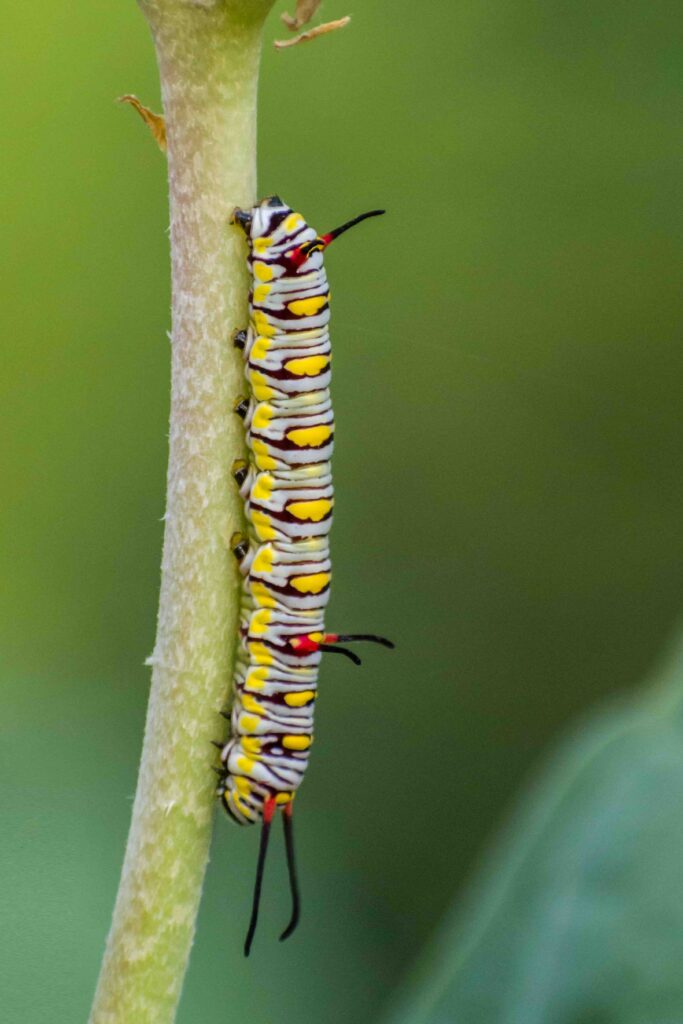
Insects are a primary food source for birds, reptiles, amphibians, and small mammals. A healthy insect population means a healthy food web. Protecting the biotope means protecting the insects that feed the rest of the living community.
Indicators of Biotope Health
Insects are extremely sensitive to changes in their environment — pollution, pesticides, temperature shifts, and habitat destruction. When insect populations decline, it is the first warning sign that a biotope is in danger. By observing insects, we can diagnose the health of an entire ecosystem.
How to Support Insects as Guardians
To help insects protect the biotope, we must:
- Plant open-pollinated flowers that provide nectar and pollen.
- Avoid pesticides and chemical fertilizers.
- Preserve natural habitats such as hedges, dead wood, and wild meadows.
- Create T.D.E.F. plant zones adapted to local insect species like Tetragonula colonies.
- Allow 2 to 5 years for plants to mature and establish a stable biotope.
What about the bees?
Any garden usually has a multitude of plants, and people often think that if there are flowers, there are bound to be bees to forage them. But this is not so, because not all plants produce pollen or nectar. The collection of pollen by bees enables what is known as “pollination”. This process, which occurs in many fruit trees, vegetables and flowers, can only take place in plants that are open-pollinated — meaning they are pollinated naturally by insects, wind, or birds, without human intervention.
Therefore, it would be beneficial to select and plant only open-pollinated varieties. These plants produce viable seeds and offer accessible pollen and nectar to bees, including Tetragonula colonies. By doing so, gardeners actively support the entire pollination cycle. A garden rich in open-pollinated flowers, trees, and climbers becomes a true biotope where insects can thrive. Conversely, many modern hybrid or closed-flower varieties are sterile or inaccessible to bees, offering no nutritional value. To protect insect populations and ensure effective pollination, every planting choice matters.
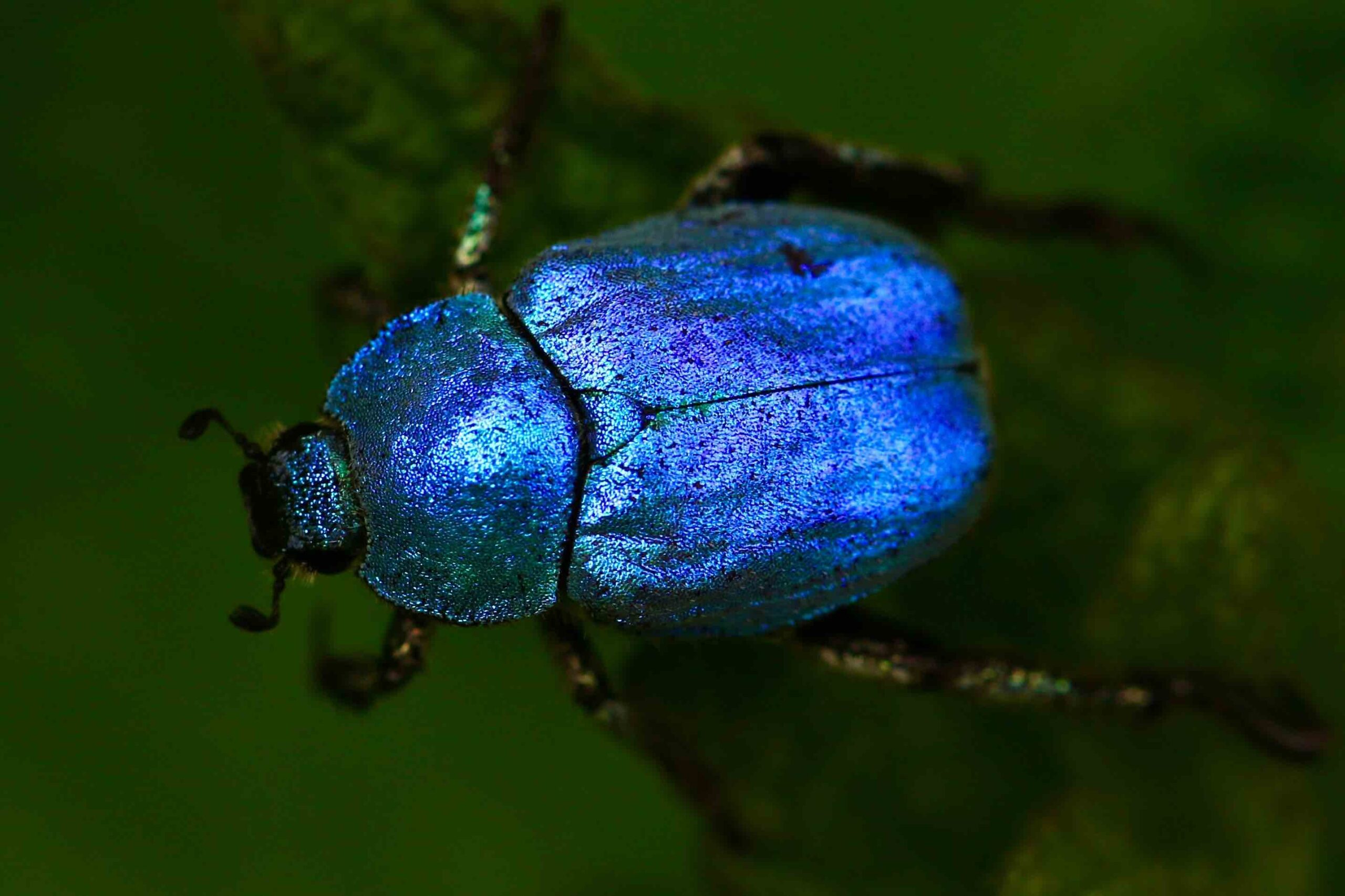
Insects are not merely visitors in the biotope — they are its guardians. Without them, pollination stops, soils degrade, and food webs collapse. Protecting insects means protecting the biotope. And protecting the biotope means protecting life itself.
For detailed inquiries regarding our research on Tetragonula colonies, insect foraging behaviour, and habitat restoration, please reach out to our coordination team. Together, we can continue to cultivate this living dialogue with the land — for the insects, for the flowers, and for the future of pollination.